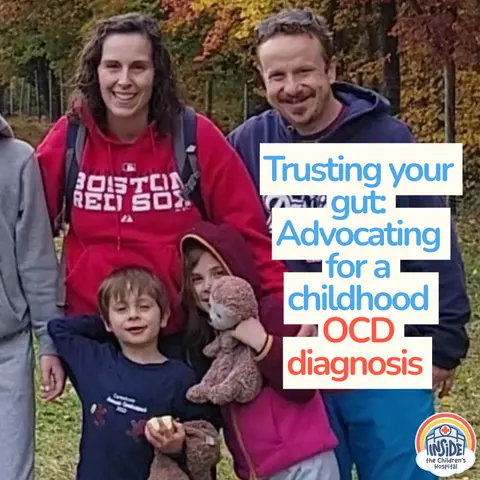
How to Talk to Young Children About an OCD Diagnosis: A Parent's Guide
When a child receives a moderate-to-severe obsessive-compulsive disorder (OCD) diagnosis, parents often face a daunting dilemma: How do we explain this complex mental health condition to our young child without causing fear, confusion, or shame? By adopting a strategy of ongoing transparency, utilizing concrete developmental framing, and framing the diagnosis around personal empowerment, families can transform a frightening medical label into a manageable roadmap for healing.
Key Takeaways
- Maintain open, transparent communication throughout the therapy and testing process so a diagnosis never feels like a sudden, frightening bomb.
- Use concrete, developmentally appropriate language and real-life behavioral examples to help children understand how OCD affects their specific thoughts and actions.
- Frame the diagnosis and necessary treatments—like therapy and medication—as tools to help a child take charge of their brain and unlock their personal superpowers.
- Collaborate closely with your child's therapist to plan the disclosure conversation, ensuring parents and professionals present a unified, supportive front.
The Danger of Keeping Secrets From Kids
As parents, our instinct is often to protect our children from heavy truths. We worry that giving a mental health diagnosis a name will burden them, make them feel different, or create anxiety where none existed. However, children are remarkably perceptive. Long before a formal evaluation is completed, kids grappling with OCD already know that something feels different inside their heads. They notice the endless loops of reassurance they seek from their parents, the physical exhaustion of masking their symptoms at school, and the frequent visits to a therapist's office.
When adults try to shield children by keeping medical and psychological evaluations a secret, kids often fill in the blanks with their own terrifying narratives. They might assume they are simply 'bad,' 'broken,' or uniquely flawed. True transparency removes the mystery and replaces self-blame with objective understanding. When a child learns that their struggles stem from a recognized medical condition like OCD, the diagnosis stops being a personal failure and becomes an external challenge that the entire family can tackle together.
Building a Gradual Bridge to Understanding
One of the most effective ways to approach a childhood OCD diagnosis is to avoid dropping it like a sudden bomb. Instead, build a gradual bridge of communication that starts the moment therapy begins. If a child enters therapy to learn coping skills for nervousness, the narrative should naturally evolve as clinicians gather more information.
Parents can frame testing and diagnostic evaluations as a collaborative mission to learn how an individual child's unique brain works. By explaining that everyone's brain processes information differently, parents normalize the journey. When the evaluation is complete, the disclosure conversation feels less like a shocking medical judgment and more like the natural next step in a journey the child has already been actively participating in.
Translating Clinical Terms Into Child-Friendly Language
Children in early elementary school typically think in concrete terms rather than abstract ones. Clinical definitions of obsessions and compulsions will likely fall flat or cause confusion. To make a diagnosis resonate, parents and therapists must translate psychological concepts into relatable, everyday experiences.
For instance, an obsession can be described as a very loud, stubborn thought that repeats itself over and over, demanding answers or reassurance. A compulsion can be explained as an action the brain tricks the child into doing to quiet down that loud thought. By tying these definitions to specific, recognizable behaviors—such as needing to ask a parent the same question multiple times in a row—the child can instantly recognize how the condition shows up in their actual daily life.
Collaborating With the Therapist for Family Meetings
Sitting down with a therapist ahead of time to plan the disclosure conversation is a crucial step. Parents and clinicians can agree on the exact phrasing, decide which behavioral examples to highlight, and anticipate potential questions. During the family meeting, presenting a united front reinforces safety and security. It shows the child that the parents and the professional healthcare team are all on the same side, working collaboratively to help them feel better.
Framing Treatment as Taking Charge of the Brain
Once the diagnosis is out in the open, the focus must immediately shift toward empowerment and agency. Children respond poorly to feeling controlled by rules, medications, or therapy protocols. However, they respond exceptionally well to the concept of being the captain of their own ship.
When introducing treatment plans—whether through specialized cognitive behavioral therapy or prescribed medication—parents can frame these interventions as tools designed to make intrusive thoughts less loud. Medication, for example, should never be introduced as a punishment or a fix for a broken child. Instead, it can be explained as a helpful adjustment that puts the child back in charge of their brain, rather than letting OCD run the show. This perspective encourages compliance, reduces anxiety about taking daily medication, and fosters a sense of resilience.
Conclusion
Navigating a childhood OCD diagnosis requires immense emotional labor, patience, and courage. While the journey involves hard days, school refusal struggles, and tearful car rides, approaching the diagnosis with honesty and compassion changes everything. By treating children as intelligent partners in their own healthcare, parents can demystify mental health and empower their kids to thrive.
To hear more powerful, real-life stories from parents and pediatric healthcare professionals navigating the emotional realities of caring for a hospitalized or chronically struggling child, be sure to listen to the full conversation. Listen to the full episode and discover honest insights, compassion, and hope for your own family journey.
Frequently Asked Questions
At what age should you tell a child they have OCD?
You can begin talking about brain health and emotional regulation at a very young age using simple, concrete concepts. For a formal OCD diagnosis around ages 7 or 8, transparency from the beginning of therapy helps children absorb the information naturally without panic.
How do you explain OCD obsessions and compulsions to an 8-year-old?
Instead of using clinical definitions, relate the concepts to their everyday experiences. For example, explain that obsessions are loud, repeated thoughts that won't stop asking questions, and compulsions are actions they feel forced to do to feel safe.
How can I make my child feel less scared about taking OCD medication?
Frame medication as a helpful tool rather than a punishment. Explain to your child that the medicine acts like a volume knob to turn down loud, unwanted thoughts, putting them back in charge of their own mind.
Should a therapist be present when telling a child about their OCD diagnosis?
Having the therapist present during the disclosure conversation can be incredibly helpful. Therapists are skilled at translating clinical results into child-friendly language and can help answer immediate questions in a safe environment.